
What to Do After a Car Accident in Washington: Steps to Take in the First 24 Hours
Experiencing a motor vehicle collision is jarring. In the immediate aftermath, emotional responses such as confusion, stress, and shock are entirely normal. However, the actions you take in the first 24 hours are critical. Knowing exactly what to do after a car accident can protect your physical health, your financial stability, and your legal rights in Washington State.
Whether you’re dealing with a minor crash or a serious collision, understanding what to do after an accident in Washington can make a significant difference in how your claim and recovery unfold. For more insights into accident frequency, see how often car crashes occur in the U.S.
If you are wondering what to do after a car accident, this guide outlines the immediate, factual steps to take to ensure your safety, document the accident scene, and avoid common errors that could affect your claim. If you’re unsure what to do if you get in a car accident, following a clear set of steps can help you stay focused and avoid critical errors. If you were injured in a collision, speaking with a Washington car accident lawyer early can help protect your rights and strengthen your claim.

Step 1: Prioritize Safety and Call 911 After a Car Accident
The very first thing you must determine after an accident is whether you or any other passengers are injured.
-
Check for injuries
Assess yourself and the other parties involved. If there are severe injuries, call 911 immediately to dispatch medical help and police officers. -
Secure the accident site
If the collision is minor and your damaged vehicle is functional, move it to the side of the road to avoid traffic hazards. Turn on your hazard lights to warn oncoming drivers. -
Do not leave the scene
Leaving the scene of an accident is a serious legal offense. -
Call the police
In Washington, you are required to report a collision to law enforcement if it results in injury, death, or significant property damage. A police report provides an objective, third-party record of the crash, which is invaluable for your auto insurance company later. You can learn more about Washington State collision reporting requirements directly from the Washington State Patrol. The evidence collected after an accident can significantly impact a future personal injury claim.
Step 2: Document the Accident Scene and Exchange Information
If you are wondering what to do when someone hits your car, the answer heavily relies on documentation. Gathering evidence immediately is one of the most important steps to take after a car accident.
Exchange details
You need to exchange contact and insurance information with the other driver. Get their full name, phone number, driver’s license number, license plate number, and their specific insurance company and policy number.
Take pictures
Do not rely on memory. Use your phone to take pictures of the accident scene, all vehicles involved, any visible vehicle damage, the other car’s license plate, and any relevant road conditions or traffic signs.
Gather witness information
If bystanders saw the collision, kindly ask for their names and phone numbers. Witness testimony can be highly valuable if there are disputes over legal liability.
Watch your words
A crucial rule for what to do if in a car accident is to limit your communication with the other driver. Do not apologize or admit fault at the scene. Even a polite “I’m sorry” can be misinterpreted by the driver’s insurance company as an admission of legal liability.
Curious about the terminology used by police and insurers? Read our guide explaining the difference between a crash and an accident.
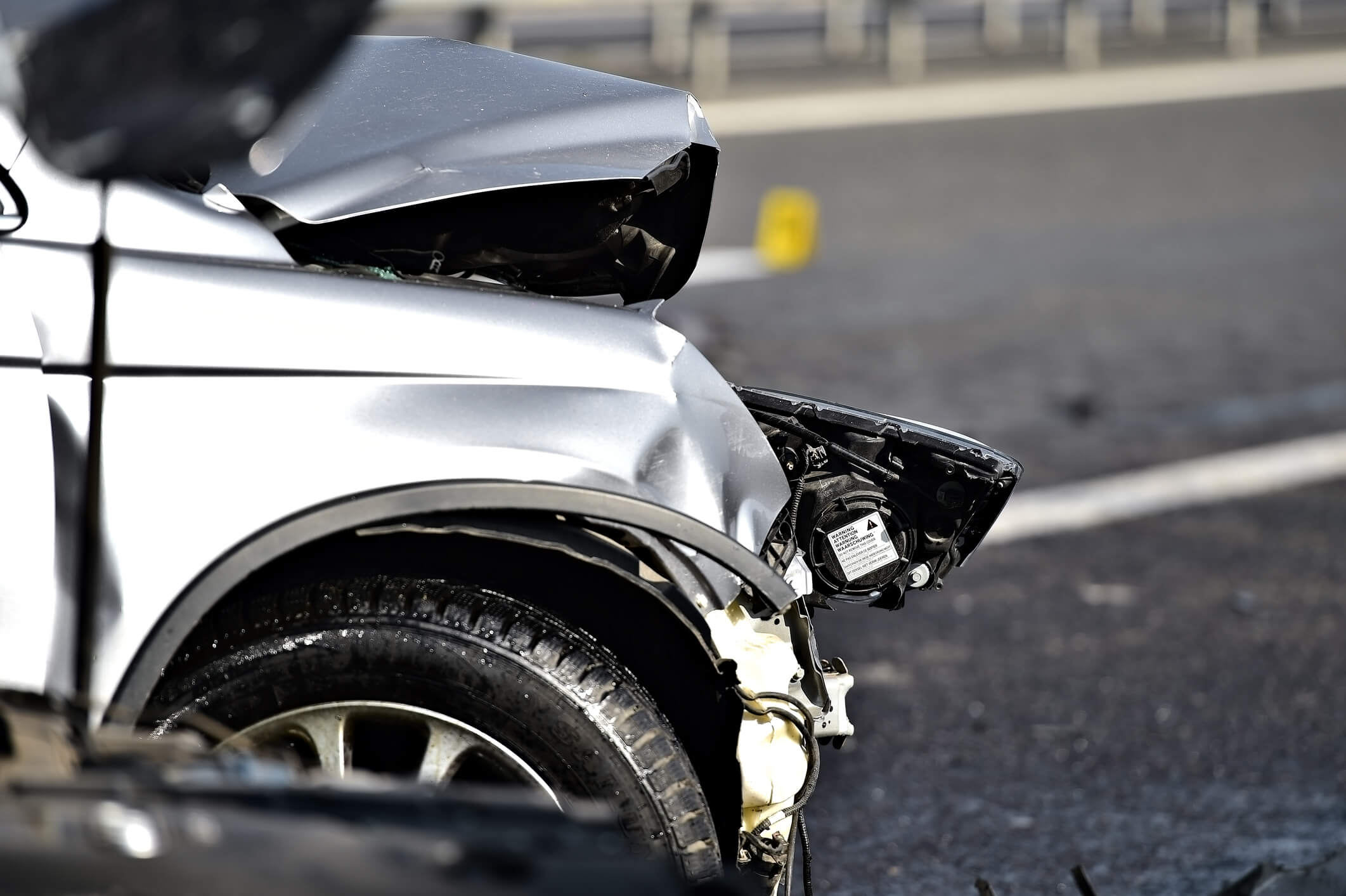
Step 3: Get Medical Attention Within 24 Hours
Even if you feel fine, you must seek medical care within the first 24 hours. Adrenaline can mask the pain of serious conditions, such as internal bleeding, whiplash, or nerve damage.
Seeing a doctor promptly ensures that your injuries are officially documented. Keep a dedicated folder for all medical bills, diagnosis records, and notes on your recovery process. This medical treatment record forms the foundation of any future personal injury claim.
Step 4: Report the Accident to Your Insurance Company
Once you are medically stable, contact your insurance company to report the incident. Most policies require you to notify them as soon as possible to start the process.
However, be cautious when speaking with an insurance adjuster, especially from the at-fault party’s insurer. Their goal is to minimize their repair costs and payout. Provide the basic facts, but decline to give a recorded statement until you understand your legal options. Insurance companies often attempt to minimize payouts after serious collisions.
If you have questions about how payouts work, learn more about how no-fault car accident settlements work.
Step 5: Speak With a Washington Car Accident Lawyer
If you have sustained injuries or significant property damage, you should not navigate the aftermath alone. Asking what to do when you get into a car accident often leads to seeking legal guidance to level the playing field against powerful insurance companies.
An experienced attorney can help you protect your rights, deal with the insurance provider, calculate the true cost of your accident, and avoid costly mistakes.

Frequently Asked Questions
Q1. What should I do immediately after a car accident in Washington?
Check for injuries, call 911, move to safety, and document the scene.
Q2. Do I have to report a car accident in Washington?
Yes, if there is injury, death, or significant property damage, you must report it.
Q3. Should I see a doctor after a minor car accident?
Yes, some injuries may not appear immediately and should be documented.
Q4. When should I contact a car accident lawyer?
If there are injuries, disputes, or insurance complications, speaking with a lawyer early is advisable.
Q5. What information should I collect after a car accident?
You should collect the other driver’s contact details, insurance information, license plate number, and take photos of the scene and damages.
Get Legal Guidance After a Car Accident in Washington
Do you need legal guidance after a collision in Washington? Understanding what to do after an accident is overwhelming, but our team is here to help clarify your options. As trusted car accident lawyers in Mountlake Terrace, WA, the team at Mulvihill Law Firm can review the details of your crash and advise you on the best path forward.
If you’ve been involved in a car accident in Washington, getting clarity early can make a major difference. The team at Mulvihill Law Firm helps clients understand their options and avoid common mistakes after a crash.
We have extensive experience handling car accident claims across Washington and understand how insurers approach these cases. You can contact our office today to discuss your situation and get straightforward guidance tailored to your case.